Choose to Rest Before You Are Forced To
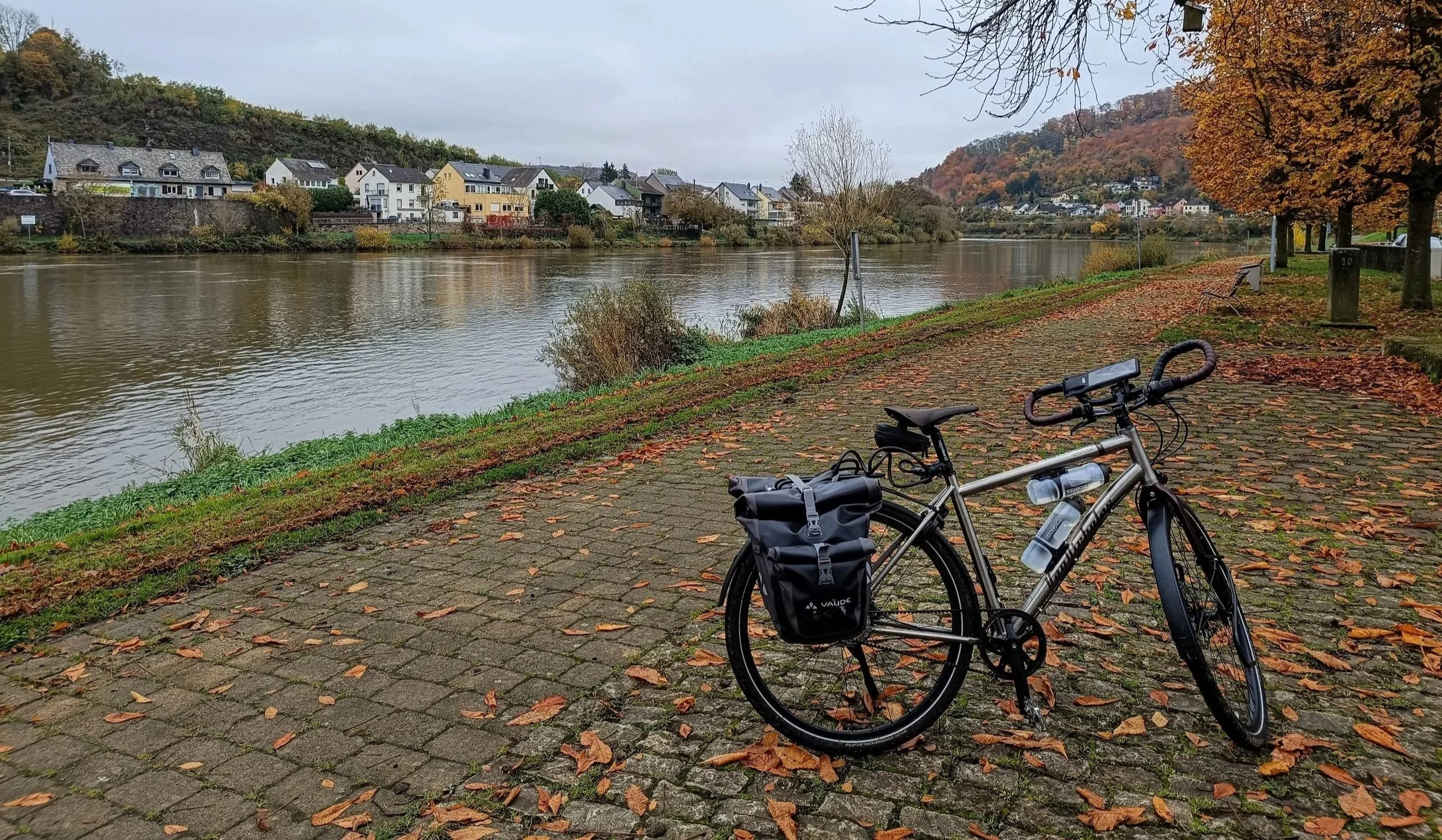
Sometimes the most productive thing you can do is stop. A moment of stillness by the river to reset my internal compass before the next leg of the journey.
The Strategic Discipline of Stopping
I couldn’t breathe.
It felt like an elephant was sitting on my chest. No matter how much I tried to draw in air, my lungs felt squeezed.
I was having a panic attack but I thought it was a cardiac event, in my mid-thirties while I thought I was in great health. Though, as I considered, I suddenly realised that I hadn’t been out on my bicycle for a while. My gym membership had lapsed without renewal.
And that’s how failing to take care of yourself happens. It’s accepting work when you don’t have the bandwidth. It’s failing to say no. It’s picking that quick pastry over a healthy lunch.
Trying so Hard that I Failed
At that time I was responsible for a unit that was overworked and under-resourced. As a middle manager, I was close enough to the team to see the fatigue, but didn’t yet have the clout to hire any further.
As any good leader does, I filled the gap. I worked alongside the team during most of the day and did my manager part from 4pm till late. I was trying to prove my worth for promotion to Senior Manager, so I couldn’t afford any missed deadlines or any errors. Except that there were. Despite my manic efforts, we were still slipping, but I pushed harder.
Then my phone beeped with a text.
“You’re late again. You missed your son this morning and again this evening.”
And that’s when the panic attack struck. There I was, manager, sole breadwinner and failing at both. I was sitting in my ergonomic chair, wondering if I should call emergency services before I passed out.
I closed my eyes, forced myself to calm down and managed to breathe. I quickly jotted down a couple of points to continue the next day and locked up the office. As I zipped up my jacket I noticed it was tight - I had gained weight, and it wasn’t muscle.
As I drove home it occurred to me. This wasn’t worth it.
“Neglecting your physical and mental health doesn't make you a martyr; it makes you a ticking time bomb.”
The Hard Truths About Rest
That evening before I slept, I laid out some points to discuss with my manager. The next morning I went for a (slow, breathless) run, then at work I explained to my boss in simple terms, without drama or threats that I could not go on as I was. That conversation changed my trajectory, but the lessons took years to fully sink in.
You Are the Asset Modern leadership culture often glorifies the "hustle". The drive to be everywhere, fix everything, and be the first in and last out. I bought into the lie that prioritising myself was selfish. I was wrong.
If you are the engine of your team (or your family), you have a duty of care to maintain that engine. Neglecting your physical and mental health doesn't make you a martyr; it makes you a ticking time bomb. I learned the hard way that if you do not actively carve out space for your own wellbeing, the universe will eventually force you to stop, usually at a time and in a manner you would not choose.
Fatigue is a Leadership Failure I used to believe that working long hours was a badge of honour. In reality, it was a failure of strategy. When you are exhausted, your cognitive function drops. You stop being proactive and strategic, and you default to being reactive and emotional.
When you are tired, your team pays the "fatigue tax." Your patience wears thin, your instructions become vague, and your empathy evaporates. One time, battered by stress and ridiculous deadlines I had agreed to, I realised that my instructions were actually contradictory, and I found myself correcting my own corrections. Madness.
I realised that by refusing to rest, I wasn't only hurting myself; I was giving the worst version of myself to the people who deserved the best - my team and my family.
The Law of Diminishing Returns There is a dangerous misconception that more hours equals more output. It doesn't. If you wake up at dawn to race to work and grind until midnight, you aren't being productive; you are just being busy.
I found that "less is more" is not just a cliché; it is a productivity hack. When I finally gave myself permission to stop, I found that I could achieve more in six focused hours than I used to in twelve exhausted ones. Clarity requires energy, and energy requires rest.
How to Slow Down in a Fast World
Here are some ways that you can do this.
Be Extremely Stingy with Your Time. If everyone asked you for money, you’d quickly refuse. Why don’t you do the same with your time, when it’s a more scarce resource?
Be Clever with Your Time. When you fail to plan effectively, problems pile up and rob even more time that you don’t have to spare. Effective planning avoids panic reactions later.
Be Intentional About What You Do. Fill your calendar with your priorities. When there’s no more space, look at the next tip below.
Just Push Back. Don’t tell people you cannot or will not do it, but explain that you simply have no time to do it. If it falls under your responsibility, see where it can fit as a priority in a future week.
Give. Yourself. A. Break. Make time for yourself, and your complete wellbeing. When you’re tired and losing focus, patience or both, just stop. Walk around, stretch, or listen to your favourite music. Go home and rest if you need to.
Same Person, Different Mindset
Now I see my son off to the bus every day, even if he rolls his teenage eyes at me. I make time to buy quality ingredients and cook healthy meals. I go trekking, I go to the gym, I ride my bicycles and motorbikes.
I’m still me, but wiser, and now equipped with a better mindset. I don’t get it right all the time, but I know what’s important.
Here is a challenge for you. You don’t need a crisis to justify stopping.
Your work calendar might finally be quiet next week, but the temptation to 'just check in' or fill the void with busy work will be there. Resist it.
Let the silence be silent. Give your full attention to the people around you, not the phone in your pocket.
Thank you for reading this far. If any of this resonates, I’d love to welcome you as a reader and to stay connected. Please join the mailing list for future posts, share your thoughts in the comments, or find me on LinkedIn.
