The Novice Mindset: Why the Most Resilient Leaders are Perpetual Students
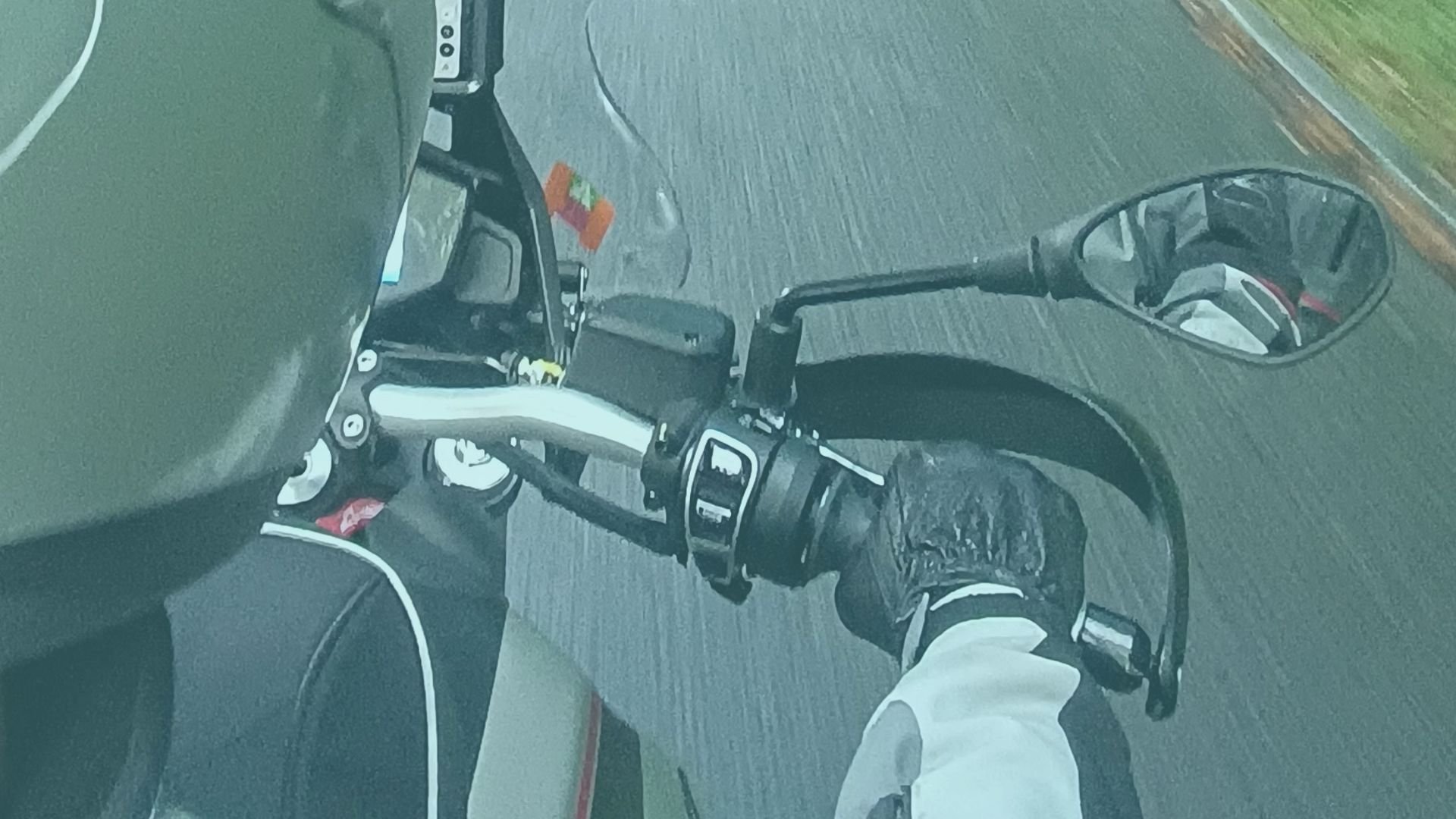
Master yourself before you lead others
This is the second waypoint in the series in which I explain The Leadership R·I·D·E Framework. While READ was about scanning the external horizon, INTERNALISE the Journey is about the rider. It moves the conversation from the map to the muscle memory.
There is a dangerous moment in every motorcyclist’s journey, some time after they passed their test and feel confident on the bike. The initial terror has faded. The controls feel natural. They stop thinking about the friction zone and start thinking about their speed. They believe they have mastered the bike.
This is the moment when overconfidence outpaces actual skill, and it is precisely when the most avoidable accidents happen In the boardroom, this same trap often happens. We reach a certain level of seniority; Director, Founder, C-Suite, and we unconsciously decide that our period of intensive learning is over. We believe our "Internal ECU" is fully programmed. But in a world of hyper-velocity change, a leader who stops being a student becomes a liability.
To build personal resilience and lead with impact, leaders must do the necessary work of looking inwards at their skillset and mental attitude - this is the essence of the second discipline of the R·I·D·E framework: INTERNALISE.
Personal Resilience: Understanding the INTERNALISE Discipline
If READ is about vision, INTERNALISE is about the "Internal ECU" - the mindset, muscle memory, and psychological resilience of the leader. It is the process of turning leadership theory into a natural reflex. It is comprised of five chapters:
1. The Novice Mindset: Stay Curious
The most resilient leaders I mentor share a common trait: they are intentionally "unskilled" in their curiosity. They approach every crisis, every new technology, and every cultural shift with the "Novice Mindset."
On a bike, a novice is acutely aware of every vibration, every change in the wind, and every shift in the road surface. They don't take stability for granted. When you internalise this mindset as a seasoned leader, you stop relying on "how we’ve always done it." You remain open to the possibility that your previous expertise might actually be a blind spot. The Novice Mindset isn't about a lack of knowledge; it’s about the humility to keep your mind open to new information.
2. Build Muscle Memory: Turning Values into Reflexes
In a split-second emergency on the road, you don't have time to recall a manual. You rely on muscle memory. Your fingers find the brake and the clutch through a pre-programmed reflex.
Leadership integrity works the same way. If you have to pause to decide whether to be honest during a difficult board meeting, you haven't yet internalised your values. They are still just words on a lobby wall. INTERNALISE is the rigour of practicing your skills until they become that delicate space where your intentions meet your actions without stalling the organisation. Impactful leadership is what you do when you don’t have time to think.
3. Ride Your Own Ride: Play to Your Authentic Strengths
In an increasingly flashy and hype-driven world it’s all too easy to be swept up into trying to portray yourself as someone you’re not. Trying to adopt a personality because you don’t feel “leader enough.”
When you are honest with yourself, and you know your strengths, then you can play to them. You can also be objective about your weaker areas and target for improvement those that you genuinely feel will help you make a greater impact.
4. Your Duty to Rest: Pacing Yourself for the Long Distance
Many leaders take on an “always on” mentality, working long days and checking in to work while on vacation. Science has shown without doubt - unsurprisingly - that as fatigue creeps in, our performance dips. We lose patience more easily, become more likely to fixate on the wrong priorities, and take worse decisions.
If you wish to last the distance, you need to pace yourself. Just as a rider breaks up a long ride with pauses to rest and stretch to retain their sharpness, as a leader you have a duty to yourself, to your loved ones and to your team to take the breaks you need and show up as you intend to.
5. Pick Up Your Own Bike: The Power of Absolute Accountability
Every rider, eventually, drops their bike. It is embarrassing, heavy, and often happens in front of an audience. The novice looks for someone to blame - the gravel, the wind, the car that cut them off. The resilient rider simply walks over, applies the correct technique, and picks up their own bike.
Leadership means accepting absolute accountability. When a project fails or a team culture sours, the resilient leader doesn't look for external factors to blame. They look at their own performance. They ask: How did my internal state contribute to this outcome? By taking ownership of the drop, you gain the power to fix the ride.
Moving from Knowledge to Embodiment: Shifting from Theory to Action
The corporate world is obsessed with Leadership Development, but most of it is just information gathering. We attend the seminar, read the summary, and instantly forget it.
The transition from learning to embodiment requires the slower work of assimilating information to make sense of it in your context, and using it to inform your future decisions. It asks you to examine your mindset: are your reflexes serving you, or are they outdated programmes from a decade ago?
“When you internalise the journey, you stop performing leadership and start being a leader.”
Mirror Check: Who are you becoming?
As you navigate this week, I want you to look at what you do objectively. Where have you become too expert to listen? Where do your values give way to profit?
While READ helps you identify your path, mastering the INTERNALISE discipline is about ensuring that you have the correct mindset and set of skills to lead others. But even a pro rider can't see what lies beyond the next corner, and your plans as a leader are challenged by reality. To truly lead with impact, you must be able to shift quickly and adapt to changing circumstances. That brings us to our next discipline: DRIVE.
This article is the second waypoint in a five-part series exploring the Leadership R·I·D·E Framework - the core of my upcoming book.
If you are ready to move beyond the exhaustion of constant reaction and start building resilience and leading with impact, I invite you to join the journey early. More than a book launch; it’s a community of leaders committed to a more profound embodiment of leadership, one that allows you to flex under pressure without breaking.
Sign up for Early Access to receive:
The ECU Sneak Peek: Be the first to receive the final chapter on REFLECT (the systemic hub that connects the framework) before the book hits the shelves.
Pre-order Priority: Ensure you’re at the front of the formation when the book launches.
Thank you for reading this far. If any of this resonates, I’d love to welcome you as a reader and to stay connected. Please join the mailing list for future posts, share your thoughts in the comments, or find me on LinkedIn.
